

#1 Software for Public Comment Management and Civic Engagement

How to Get Involved With Local Government and Make Your Voice Count

Key Takeaways:

  • Local government participation can include written comments, public hearings, open houses, surveys, advisory groups, and online engagement tools.
  • Effective comments are specific, tied to the decision at hand, and clear about what the agency should consider.
  • Residents can participate without speaking at a meeting by using written or online submission channels when available.

Local government decisions shape everyday life in ways that are easy to overlook until a project lands close to home. A zoning change can alter neighborhood traffic. A road project can affect access to a business. A utility proposal, park plan, housing development, or school policy can change how people use their community for years.

If you are wondering how to get involved with local government, the good news is that participation is not limited to election day or a three-minute statement at a crowded council meeting. Residents can attend hearings, join advisory groups, review draft plans, submit written feedback, complete surveys, attend open houses, or follow formal comment periods online.

The best place to start is your local government’s website. Look for current projects, council agendas, planning notices, public hearings, meeting calendars, and opportunities to submit comments. Requirements vary by jurisdiction, so always check the official notice for deadlines and submission instructions.

SmartComment supports the public review side of this process by helping agencies organize comments, route issues to the right reviewers, document responses, and maintain a clearer record of participation.

People walking through Chicago’s city hall building, showing that even in the Windy City, people cut through the wind by showing how to get involved with local government.

Start With the Decision That Affects You

Trying to understand an entire municipal government at once can make participation feel more complicated than it is. Start with one issue.

Maybe a planning commission is considering a new development near your neighborhood. Perhaps the transportation department is proposing a road redesign, or a parks department is gathering input on improvements. Find the agency, board, commission, or council responsible for that specific decision and follow its public process.

This is often the simplest way to participate in local government because it connects your time and attention to something concrete. Read the project materials first. Note the decision being considered, the alternatives available, the comment deadline, and whether a hearing or public meeting is scheduled. Public agencies use similar principles, but the exact process depends on the local jurisdiction.

How to Write a Public Comment That Is Useful

You do not need to be an attorney, planner, engineer, or professional advocate to write a public comment. You do need to make your point clear enough that reviewers can understand the issue you want them to consider.

A strong comment usually does four things:

  • Identifies the project, proposal, or decision you are addressing.
  • Explains your concern, support, or recommendation directly.
  • Provides specific facts, observations, or lived experience when relevant.
  • States what you would like the agency or decision maker to consider.

For example, saying that you oppose a road project tells reviewers your position. Explaining that the proposed driveway closure would eliminate the only truck entrance to your business gives them information they can evaluate.

You can also separate unrelated concerns. If you have one comment about traffic safety and another about stormwater drainage, presenting them as distinct issues makes the submission easier to review and route to the appropriate subject-matter experts.

Why it fits: A real city council setting connects written participation with the formal meetings where many local decisions are discussed.

Public Meetings Are Only One Way to Participate

Public meetings matter because you can hear how officials describe a proposal, listen to questions from other residents, and sometimes speak directly during a designated comment period. But it is not the only meaningful channel for participation.

Local governments may also use open houses, workshops, surveys, advisory committees, online portals, mailed notices, resource centers, and other outreach methods. Different formats serve different purposes. A hearing may create a formal record, while an open house may provide more time for one-on-one conversations with project staff.

If speaking at a microphone is not comfortable or practical, look for a written or online submission option. The important thing is to follow the instructions for the specific process so your public comment reaches the correct project record.

Ask What Happens After You Submit Feedback

Participation becomes more meaningful when residents can understand what happens after comments are received.

Agencies managing a formal review may need to sort comments by issue, identify recurring concerns, route technical questions to specialists, prepare responses, and maintain documentation showing how they handled submissions. This administrative work is a major part of public participation even though residents rarely see it.

SmartComment is built specifically around these workflows. Its public engagement platform features help organizations collect submissions, organize issues, coordinate review, and maintain the connection between comments and responses.

Frequently Asked Questions

No. Depending on the process, you may be able to submit written comments, complete a survey, attend an open house, serve on an advisory committee, join a workshop, or use an online participation portal. Check the official project notice to see which options are available.

Identify the proposal, explain your position clearly, provide relevant facts or personal observations, and state what you want the decision maker to consider. Specific information is usually more useful than a general statement of support or opposition.

Not necessarily. Response requirements depend on the agency and type of review. In some formal processes, agencies may group similar comments by topic and address them together. The governing agency’s published procedures are the best source for understanding how it will handle comments.

Start with your city, county, township, school district, planning department, utility district, or other local agency website. Look for meeting calendars, agendas, planning notices, proposed rules, project pages, and public comment periods. You can also sign up for agency email alerts when available.

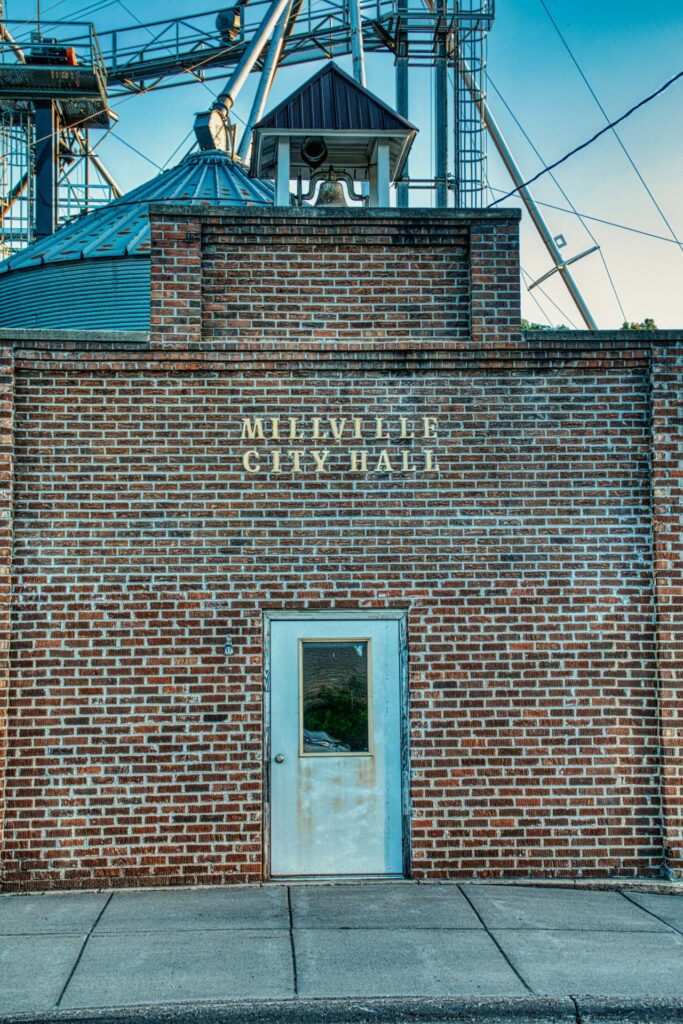
Entrance to a small city hall government building

Participation Works Best When the Process Is Clear

Learning how to get involved with local government does not require mastering every part of municipal administration. Start with an issue you care about, find the official process, read the available materials, and choose the participation method that works for you.

For agencies managing the other side of that process, SmartComment provides a focused system for collecting, reviewing, organizing, and documenting public input.

See how agencies and public-facing organizations use SmartComment, or schedule a demo to explore a more organized public review workflow.